
You’re Not Doing This Wrong. You’re Doing This Without Enough Support.
Parenting a neurodivergent child can be deeply meaningful and deeply exhausting. You’re learning your child’s needs, juggling school meetings and appointments, advocating over and over, and quietly wondering if you’re getting it right.
Together, we’ll look at what’s happening beneath your child’s behavior and build strategies that fit your real life. You’ll leave sessions feeling more grounded, more confident, and less alone.
Does This Sound Familiar?
You’ve planned for every transition, and the meltdown still happens
You’re exhausted from advocating at school, with doctors, and sometimes with family
You second-guess yourself constantly, even when you know your child best
Home feels tense, and you and your partner are running on empty
You’re taking care of everyone’s feelings and haven’t checked in with your own in a long time
You love your child fiercely and still feel overwhelmed, guilty, or burned out
If you nodded along, you’re in the right place. None of this means you’re failing. It means you’re carrying a lot.
My Approach
I’m a therapist and a parent, and I bring both to this work. My approach is neurodiversity-affirming, meaning I see ADHD, autism, and other differences as natural variations in how brains work, not problems to be fixed. Instead of focusing on making your child “behave,” we get curious about what’s underneath: sensory overload, emotional overwhelm, communication differences, unmet needs.
From there, we build practical, realistic strategies that support your child as they are, and that support you, too. I’ll be warm and I’ll be direct. We’ll problem-solve together so things feel less overwhelming and more manageable.

-
Raising a child with ADHD can mean constant motion, big feelings, and a lot of redirecting. We’ll work on making sense of your child’s brain, building routines and responses that work with their wiring, and softening the cycle of frustration and guilt that can build up for everyone.
-
Anxiety can show up in your child, in you, or in both. We’ll look at how it appears in behavior, like avoidance, irritability, and meltdowns, and build calming strategies for your child and for you, so anxiety doesn’t run the household.
-
Understanding your autistic child’s way of experiencing the world can change everything. We’ll explore sensory needs, communication, transitions, and meltdowns versus shutdowns, and find ways to support your child’s needs while keeping your own energy intact.
-
Parenting through chronic stress and exhaustion can take a real toll on your mood. We’ll make room for the heaviness, the burnout, and the grief that sometimes comes with this role, and we’ll also explore how to support a child who may be struggling with low mood or hopelessness.
-
Strong connection is the foundation for everything else. When days are dominated by behavior, appointments, and logistics, it can be easy to lose the simple joy of being together. We’ll focus on strengthening your bond with your child in ways that fit who they are, and on helping you feel more secure and connected in your role as their parent.
Ways We can Work Together
-
You carry a lot. This is space to process the stress, worry, guilt, and grief that can come with parenting a child who needs extra support, so you can show up for your family without losing yourself.
-
Practical guidance and a compassionate space for you. We’ll problem-solve daily challenges like meltdowns, transitions, bedtime, homework, and sibling dynamics, and help you feel more confident in your decisions.
-
Play is how children express what they can’t always put into words. Where it’s a good fit, I can work with your child directly, supporting their emotional growth and connection while we continue to support you.
-
Sometimes the best way to understand what’s happening is to see it. I can observe your child at school and consult with teachers and school teams to help everyone better understand your child’s needs and build support together. This can be especially helpful when you’re feeling stuck, unheard, or worn down by the advocacy process.
What We can Work on Together
What Sessions Look Like
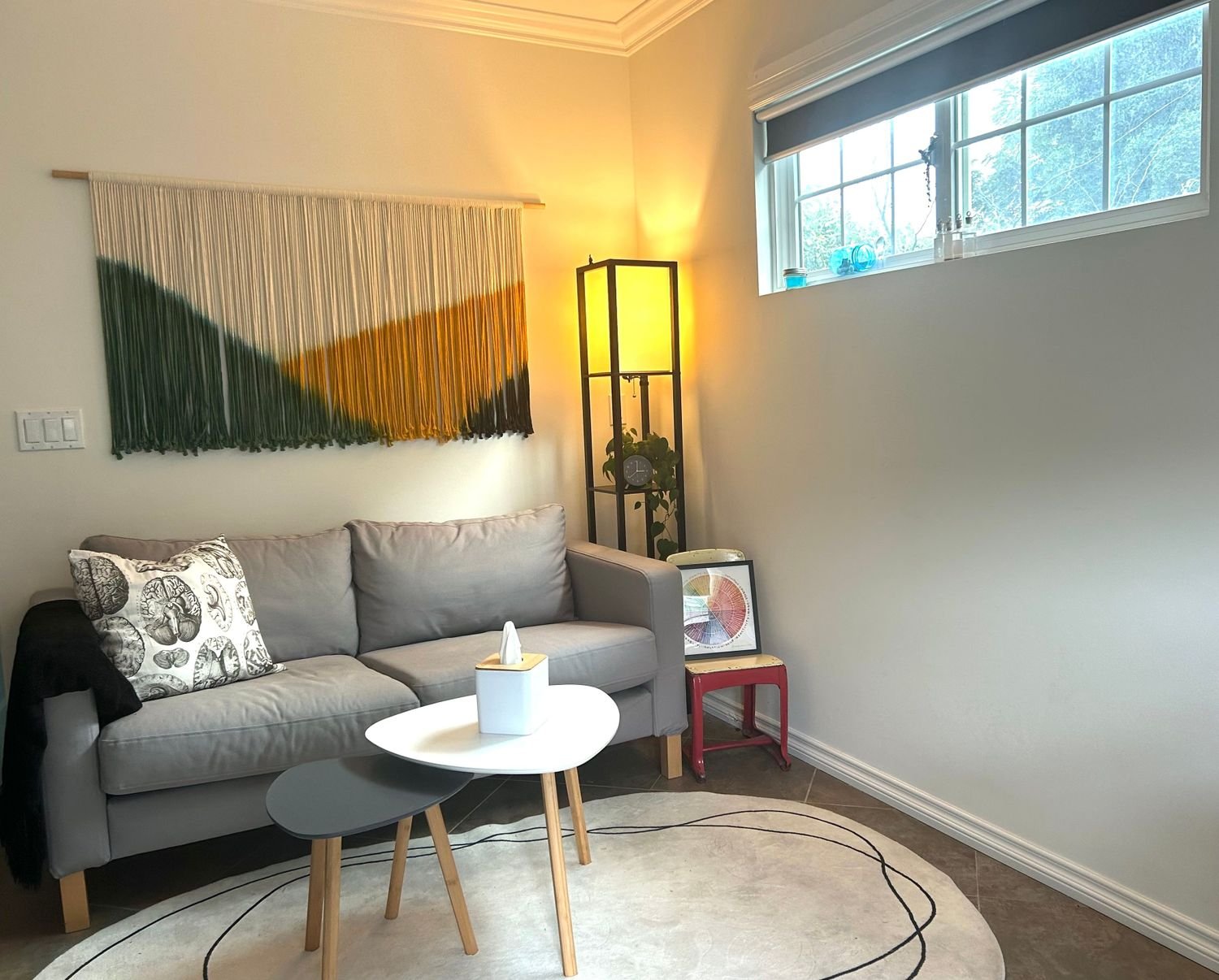
You don’t have to arrive with answers or prepare anything. In our first sessions, we’ll talk about what’s been hardest, what you’ve already tried, and what you’d like to feel different. You can also tell me about your child, their strengths, challenges, and what makes them who they are.
From there, we’ll set goals together and go at a pace that feels right for you. Sessions are available online or in person at my Westchester office.
I’ll say it plainly: you don’t have to make sure everyone is okay all the time. You can start with you. When parents feel more grounded and supported, it often changes the feel of the whole household.
If you’re ready for some relief, I’d love to hear from you.